


 » Articles »
» Articles » Rabat’s Media Library Hosts Cultural Workshop for Children Celebrating Moroccan Heritage
Youssef ZEMLAOUI
The Rabat Media Library hosted a creative journey for students to discover the history of the “Potters’ Village” as part of the official activities of Rabat World Book Capital 2026
As part of the Rabat World Book Capital 2026 festivities, the Rabat Media Library hosted a creative journey on Monday, bringing Moroccan history to life for local children through the art of storytelling and traditional pottery.
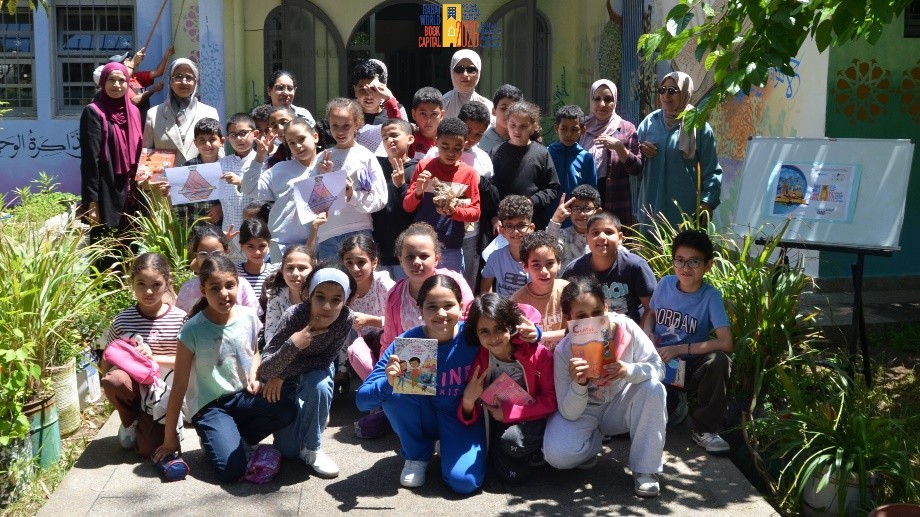
The journey, organized in coordination with El Manzeh El Amine Institution, featured 31 students from the third and fourth grades. The session was held under the supervision of Salma Essalmi, director of the Allal El Fassi Media Library in Kenitra, and Amal Khaldi, director of the Rabat Media Library.
The event was structured around two distinct workshops designed to engage the students’ imagination and creative skills. These sessions transformed historical lessons into an interactive experience that allowed the children to connect personally with their heritage.
Engaging Young Minds Through Storytelling
The first workshop, titled “Echoes of the Tale,” featured a reading of the story Fatouma’s Tajine by Moroccan author Sonia Ouajjou. The narrative introduced students to local landmarks while explaining the traditional pottery-making process.
“We chose this story because it highlights several of the city’s landmarks, including The Kasbah of the Udayas, The Bouregreg River, and The Art of Ceramics, which is deeply rooted in the city,” Salma Essalmi said.
To complement the story, the students watched a documentary on the ceramic industry in Safi. The presentation provided a closer look at how artisans transform raw materials into traditional Moroccan crafts.
Creativity and Artistic Expression
The second workshop focused on hands-on creative expression, allowing the students to apply what they had learned from the storytelling session. The participants acted as young artists, creating their own visual interpretations of the traditional Moroccan tajine.
During this session, the students used various colors and patterns to decorate their designs. This practical activity was intended to help participants express their understanding of Moroccan identity and the cultural symbols discussed earlier in the day.
Rewarding Cultural Engagement
The event concluded with the distribution of gifts to the 31 participants in celebration of their engagement. These prizes included a variety of books and stories intended to encourage the children’s interest in reading and cultural knowledge.
In addition to the books, students who demonstrated exceptional creativity during the workshops received miniature traditional tajines. These souvenirs served as a tribute to their artistic efforts and their exploration of Moroccan heritage.
